
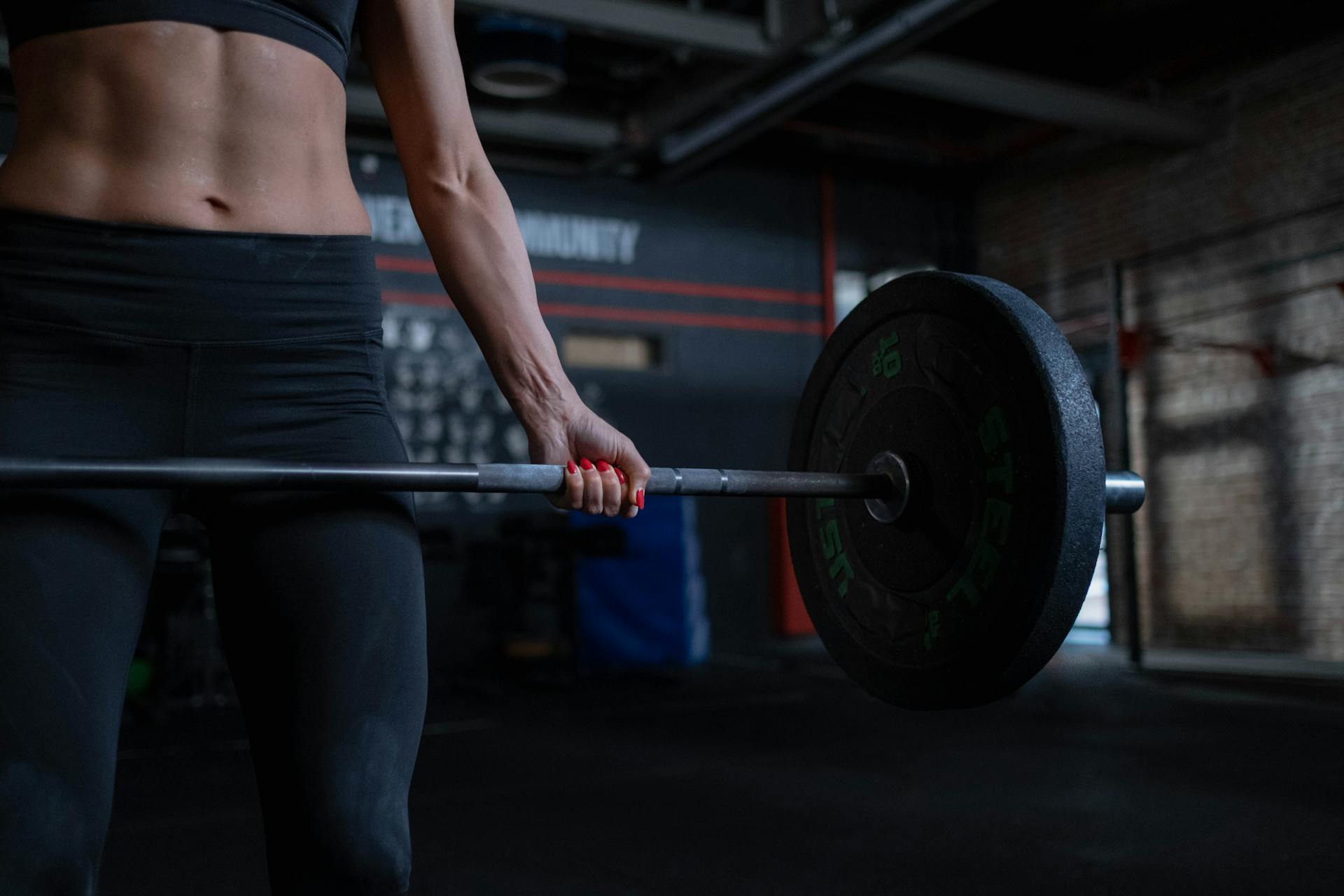
CrossFit Strength Training: How It Builds Power Beyond the Gym
Many people curious about choosing between CrossFit and Orangetheory want to know what makes CrossFit’s strength training different, and the answer is simple: it builds power that translates into everyday life. CrossFit isn’t just about flipping tires or lifting heavy barbells, it’s about creating strength you can actually use outside the gym.
Strength That Carries Over Into Daily Life
CrossFit strength training relies on compound movements like squats, presses, and deadlifts. These aren’t just gym moves, but they mirror the way your body naturally lifts, pushes, and pulls in daily life. According to a study in the Journal of Strength and Conditioning Research, multi-joint exercises improve overall efficiency more effectively than isolation routines. This means carrying groceries, moving furniture, or climbing stairs feels easier. The gym work shows up in real life, giving you confidence and functional ability that machines alone can’t replicate. With time, those movements stop being just “workouts” and start becoming an investment in physical independence.
Improved Endurance and Energy
CrossFit blends strength with high-intensity conditioning. Instead of separating cardio and lifting days, it combines them, creating stronger muscles that also resist fatigue. Workouts might pair heavy barbell lifts with rowing sprints or bodyweight circuits, forcing your body to adapt quickly. The result? You can sustain that strength over time.
Injury Prevention and Resilience
Because CrossFit prioritizes functional patterns, it strengthens stabilizing muscles often neglected in traditional workouts. Movements like kettlebell swings, planks, and overhead squats engage the core and joints in ways that protect the body from strain. Many physical therapists support strength training as a preventive measure. Training the body to move as one system reduces weak links, making everyday motions safer and smoother. Instead of breaking down from stress, your body builds resilience against it.
A Boost to Mental Toughness
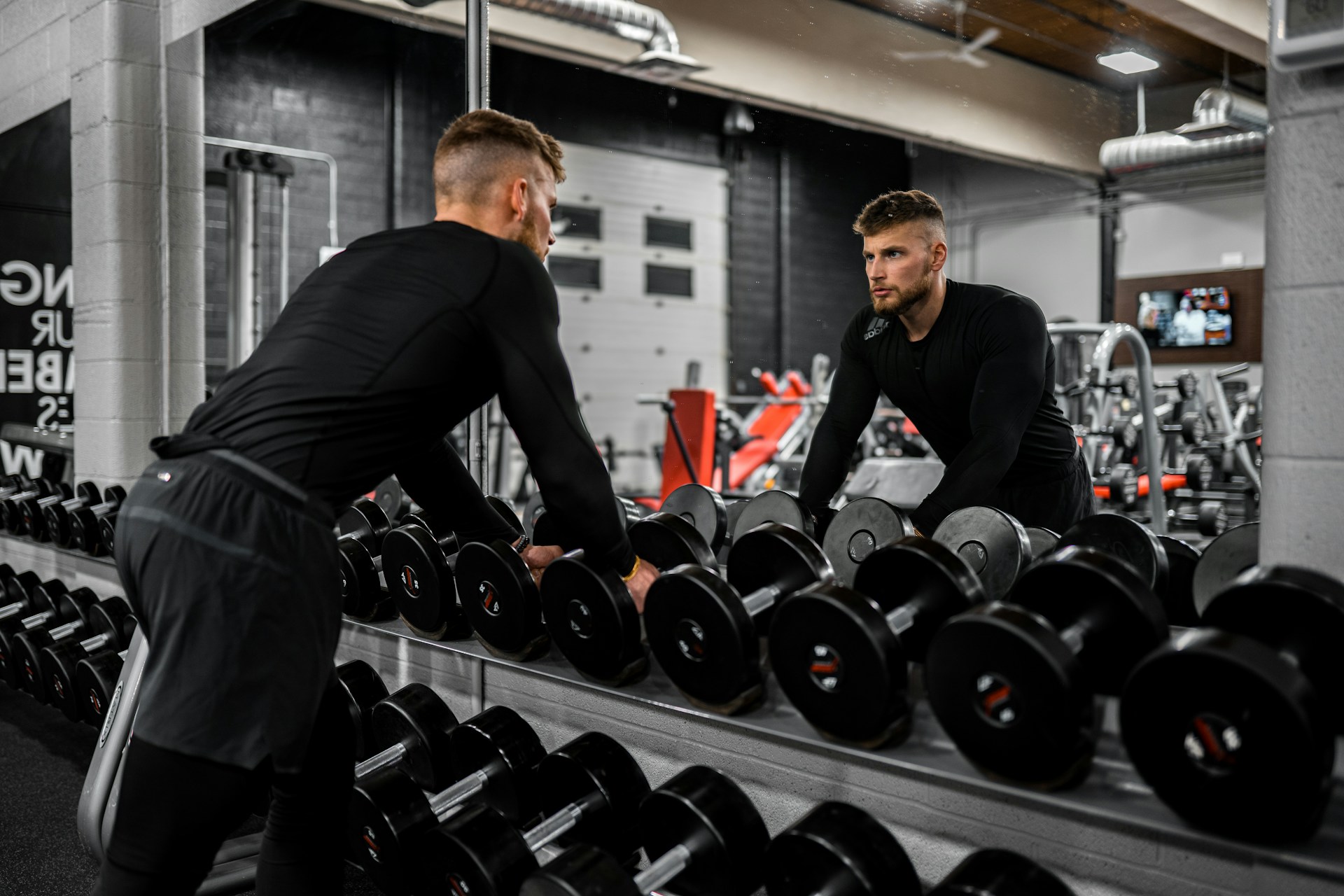
CrossFit isn’t just about the body, but it also sharpens the mind. Pushing through challenging workouts builds grit and mental stamina. Finishing a grueling set of deadlifts or completing a circuit faster than last week creates a sense of accomplishment that sticks. Psychologists often note the connection between exercise intensity and stress management. Those short bursts of hard effort build confidence, teaching you to stay focused when life outside the gym gets tough. The lessons from the gym end up shaping how you handle everyday challenges.
Community That Fuels Consistency
One of the underrated strengths of CrossFit is its sense of community. Classes are group-based, and while each person has their own goals, the shared energy helps people push further than they would alone. For beginners, group encouragement is often the difference between sticking with it or dropping out. Consistency is everything in fitness, and CrossFit gyms know how to keep people coming back. The camaraderie makes training feel less like a chore and more like a team effort. Over time, that social accountability builds discipline that goes beyond the gym and into other parts of life.
CrossFit strength training goes beyond building muscle—it creates a body that works better in real life. From carrying heavy loads to standing taller with confidence, the benefits extend far past the barbell. If you’re looking for a program that strengthens not just your frame but your lifestyle, CrossFit’s approach delivers power where it matters most—beyond the gym walls.…

 One of the most important things that you can do for your body is to eat a balanced diet. It means eating plenty of fruits, vegetables, and whole grains, as well as lean protein. Protein is essential for athletes because it helps build and repair muscle tissue. It would help consume about 0.36 grams of protein per pound of body weight every day. For example, a 150-pound person would need about 54 grams of protein each day. Take a look at these
  Finally, make sure to stretch after each workout. Stretching helps to increase flexibility and can also help prevent injuries. After your aerobic exercise, do some static stretches for the muscles you used during your training. And after your strength-training workout, do some dynamic stretching for the same muscle groups.

 Regrettably, among the primary causes of
 Lifting weights can burn a considerable amount of calories depending on the intensity of your workout program, but what you do after lifting weights is essential to reducing body fat. It is easier to burn body fat after gaining some muscle mass. The body is more efficient in burning body fat if we have large amounts of muscle in our bodies because studies have shown that muscle tissue uses calories more effectively than fat tissue.