
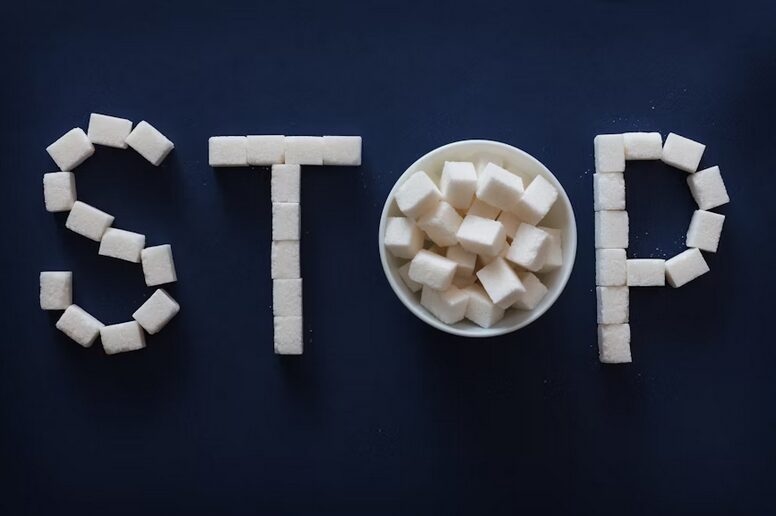
Mistakes People Make When Switching to a Low-Sugar Diet
Cutting back on sugar is often the first step people take when trying to live a healthier life, shed extra weight, or reduce their risk for chronic disease. While it’s a smart move, many don’t realize that going low-sugar requires more than skipping dessert or trading soda for water. It’s easy to fall into habits that look “healthy” on the surface but actually work against your goals. To support better outcomes, consider reviewing this expert-approved food list helps burn fat to pair your sugar-cutting plan with metabolism-friendly choices.
Swapping Sugar for Artificial Sweeteners
A lot of people ditch sugar only to load up on artificial substitutes. While these sweeteners may not raise your blood sugar, they can still increase cravings for sweet foods, interfere with your gut balance, and encourage overeating. Even more confusing is how “sugar-free” foods often include chemical compounds you wouldn’t normally eat. Rather than replace sugar with something synthetic, opt for smaller amounts of natural sweeteners like fruit, cinnamon, or even a dash of raw honey if needed.
Focusing Only on Sweet Foods

Sugar isn’t just hiding in cookies and soda—it’s packed into savory foods, too. Bread, salad dressings, tomato sauces, and even frozen meals often contain added sugars under names like “maltodextrin” or “cane juice.” People mistakenly think they’re safe just because it’s not dessert. One way to stay ahead is by reading food labels with a critical eye and becoming familiar with hidden sugar names that don’t obviously scream “sweet.”
Going All-in Too Fast
Trying to quit sugar cold turkey can lead to headaches, fatigue, irritability, and intense cravings—none of which help long-term success. This is especially true for those who consume high amounts of sugar regularly. Sudden restriction often backfires and leads to bingeing. A better tactic is gradual reduction: cut sugary drinks first, then packaged snacks, then baked goods. This gives your taste buds time to adapt and your body time to adjust without shock.
Not Eating Enough Protein or Healthy Fats
One of the biggest mistakes people make when they eliminate sugar is failing to replace it with satisfying nutrients. Meals that lack protein or fat can leave you hungry and tired, which increases the urge to snack on sweets. Balanced meals with ingredients like eggs, nuts, avocados, legumes, and lean meats help keep energy steady and reduce the desire for sugar as a quick fix.
Falling for “Healthy” Marketing Labels
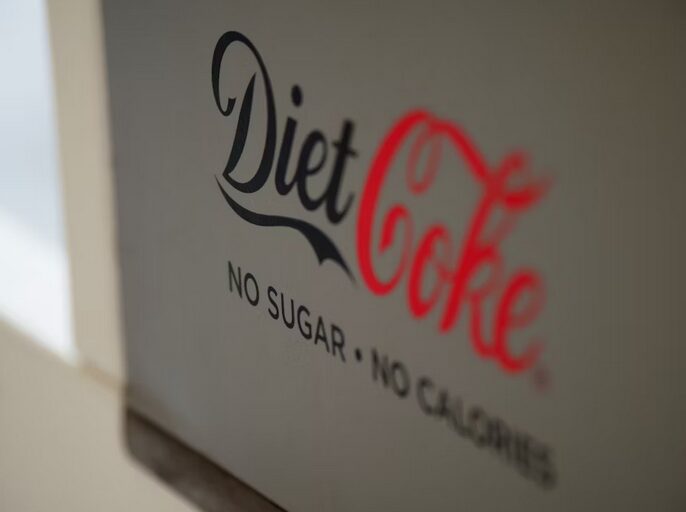
Foods labeled as “low-fat,” “gluten-free,” or “natural” often distract people from their sugar content. A granola bar that boasts being “all natural” might still contain five different forms of sugar. Similarly, juices labeled “no added sugar” may still pack enough natural sugars to sabotage your daily goals. Remember, marketing language is designed to sell, not to help. The ingredient list is more revealing than the bold print on the front of the package.
Not Planning for Social or Emotional Eating
Whether it’s a birthday party, a stressful day, or boredom at night, sugar often plays an emotional role in people’s lives. Many who go low-sugar overlook how deeply ingrained sugar is in celebrations, coping, and routine. Without a plan, it’s easy to fall back into old habits. Having go-to alternatives like herbal tea, fruit slices, or even chewing gum can help satisfy the urge without derailing progress. Also, find ways to reward yourself that don’t involve food—like a walk, a short break, or calling a friend.
Making the decision to lower your sugar intake is a powerful step in the right direction, but success depends on more than good intentions. By watching for common mistakes like artificial sweetener overuse, ignoring hidden sugars, or making drastic changes too quickly, you can set yourself up for better results. It’s not about being perfect—it’s about making smarter decisions that your future will thank you for. Stick with it, and your body will catch up to the new rhythm you’re setting.…


 While weight loss can be a goal for some people, losing weight too quickly can signal that your diet is too restrictive. Rapid weight loss can signify that you are not getting enough calories or nutrients and can be harmful to your health in the long term.
 If you find yourself avoiding social situations that involve food, it may be a sign that your diet is too restrictive. This can signify that you are overly preoccupied with your diet, which can be isolating and detrimental to your mental health.
 Zero Animal Fats